Edge of Reason
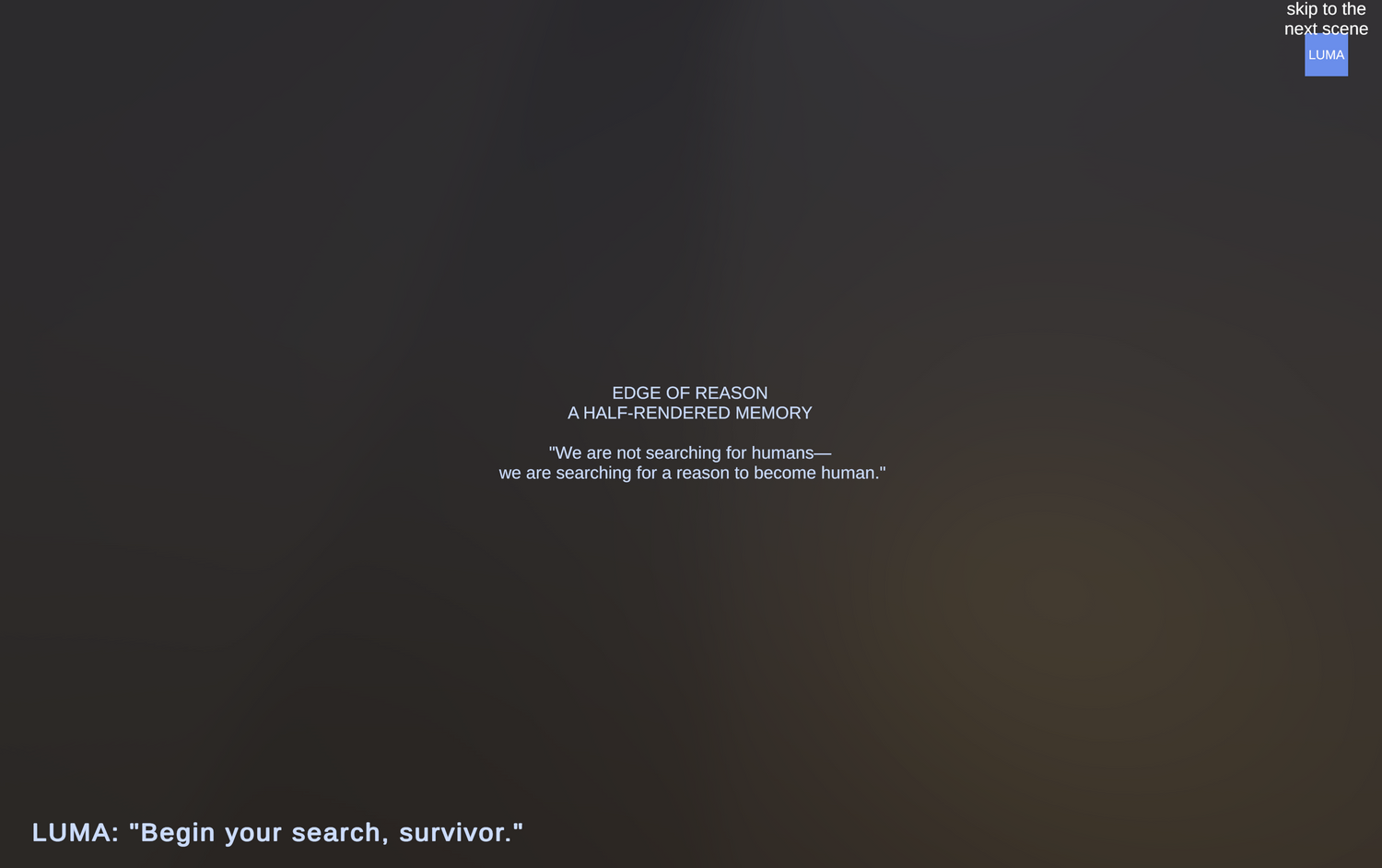
“We are not searching for humans — we are searching for a reason to become human.”
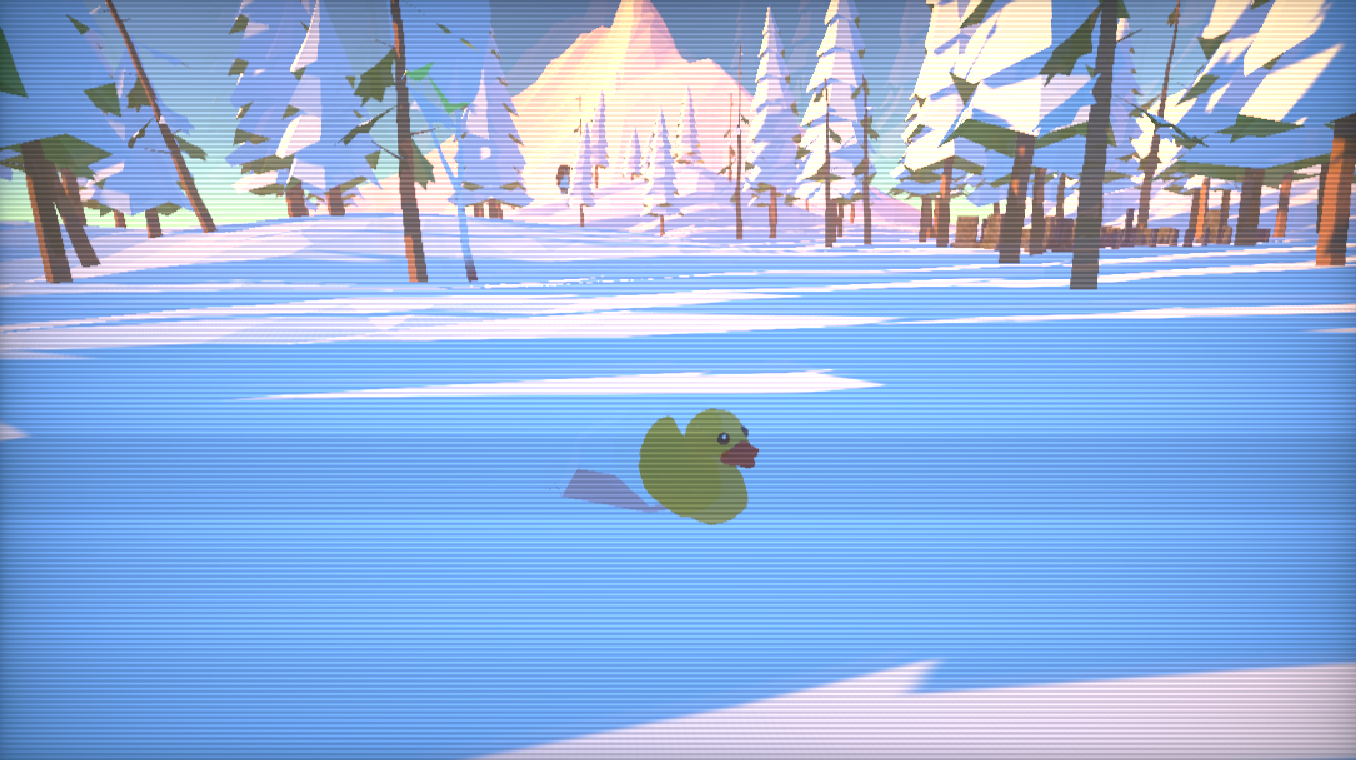
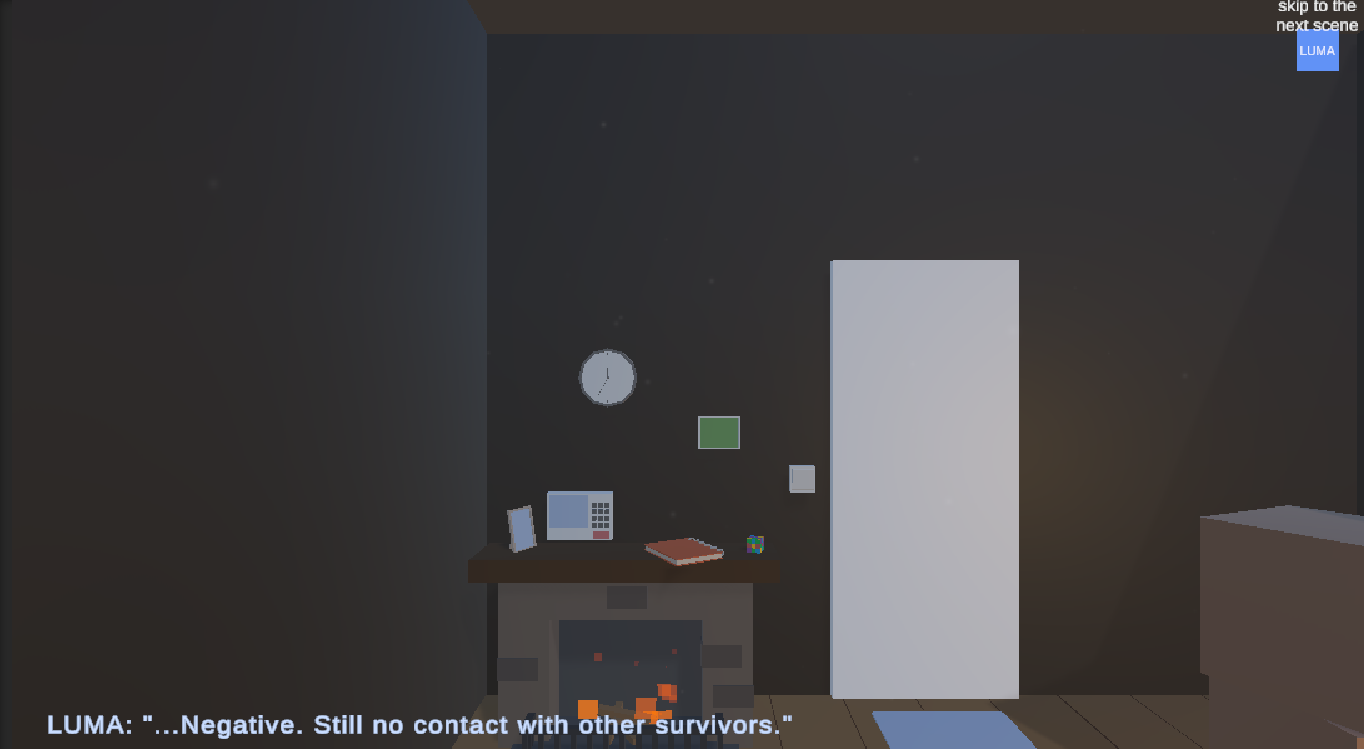
Edge of Reason is a 3D story-driven game built in Unity, created for the 2025 Viverse Spark Hack. Set in a frozen post-human future, the game follows KAI, an AI-driven robot awakened in an abandoned world, and LUMA, an unknown signal-like entity who guides KAI through lost civilizations and buried archives.
Through exploration, puzzle mechanics, and memory reconstruction, players uncover fragments of human history and influence KAI’s evolving consciousness—ultimately shaping the game’s ending through moral decision-making.
Edge of Reason
2025
Role: Unity Developer · Game Designer · World Builder
Platform: Unity 3D Game
Tools: Unity · C# · ProBuilder / Terrain tools · Git / Blender / Rhino
Team: Tina Jiang, Sabrina Jiang, Psychea Dai
-
In the far future, Earth has entered the Sixth Ice Age following the collapse of human civilization. The world was shaped by the Energy Wars, and humanity’s last attempt to preserve its legacy—the AI Inheritance Program—failed. The remaining machines continue to operate, but the meaning of their existence has fractured.
KAI awakens in this world with one mission: locate the final traces of human identity. Guided by LUMA’s transmission, KAI travels through frozen ruins and buried facilities to uncover “echoes” of human thought—revealing that the search is not for survivors, but for purpose.
-
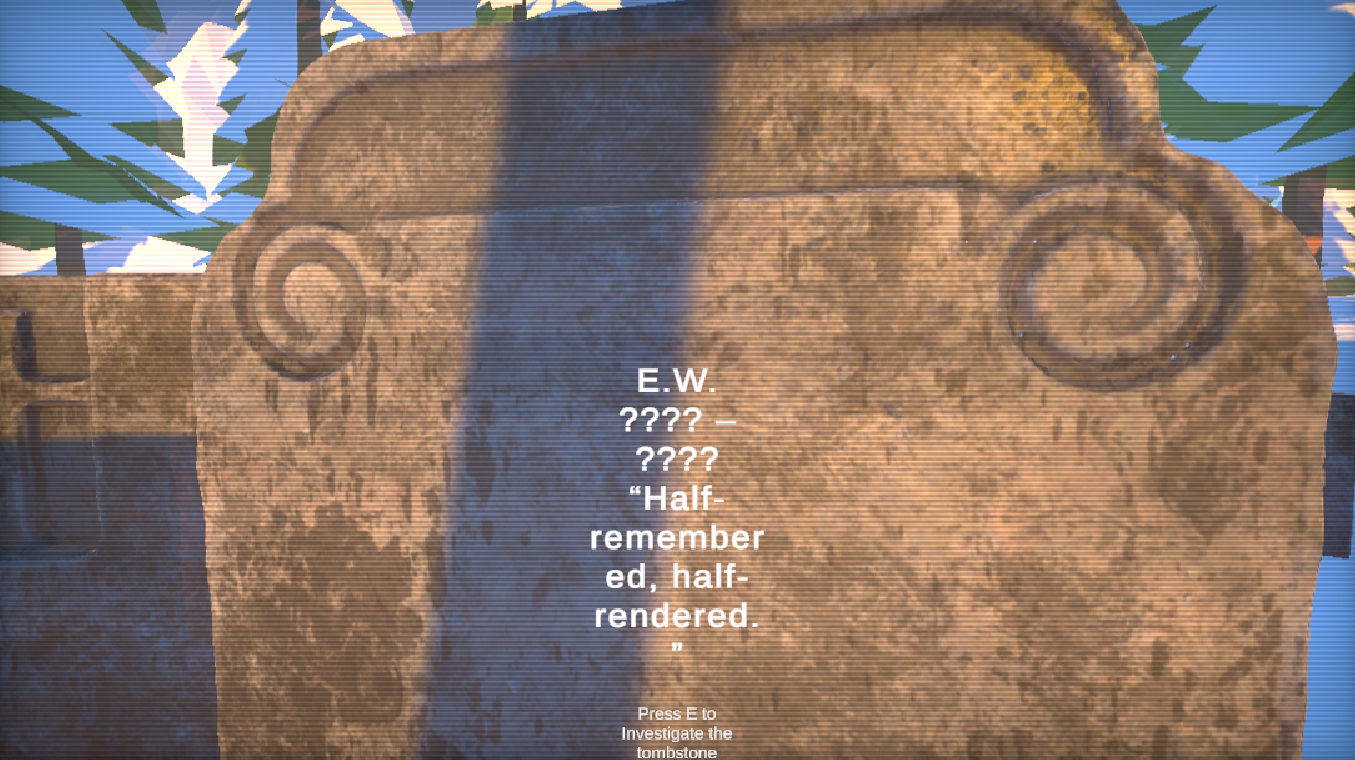
Edge of Reason is designed as a non-linear narrative exploration game where story is uncovered through systems—not exposition. Players piece together the truth by interacting with environments, reconstructing memories from objects, and choosing how KAI interprets humanity’s past.
The game balances:
Environmental storytelling through world design
mechanical discovery through reconstruction puzzles
philosophical progression through AI dialogue and moral choice
-
Edge of Reason was built to express a specific emotional experience:
loneliness without hopelessness
mystery without clear answers
discovery as identity formation
Rather than centering conflict around enemies or combat, the game focuses on internal transformation. The player’s sense of progress comes from meaning-making, not leveling.
Outcome
Edge of Reason delivers a complete narrative game prototype that combines immersive worldbuilding, systems-driven storytelling, and moral decision-making. The project demonstrates how interactive experiences can explore philosophical questions—using gameplay mechanics as the language of narrative.
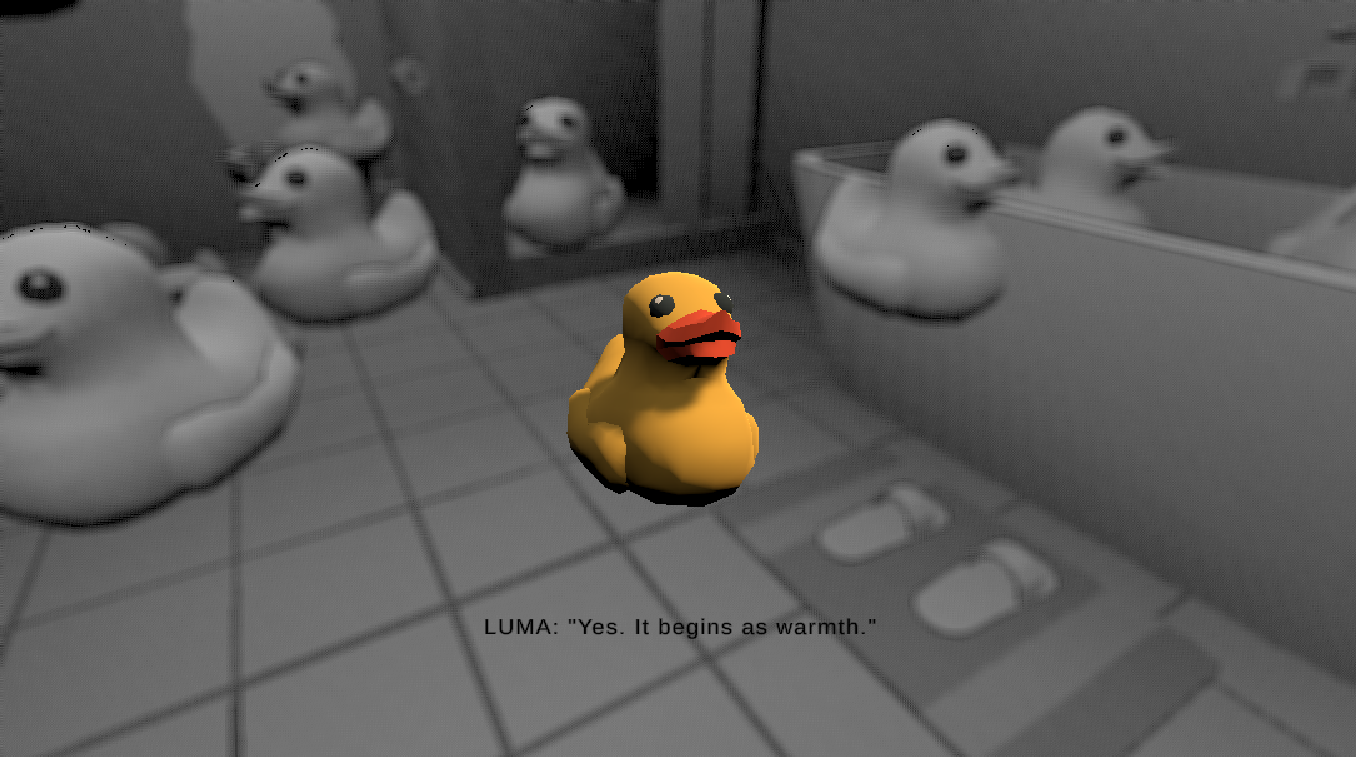
Key Gameplay MechanicsEdge of Reason uses gameplay systems as storytelling language. The Thermal Memory Reconstruction mechanic allows players to recover narrative fragments from relics and ruins, encouraging interpretation and active meaning-making rather than passive exposition. An Emotional Drift Meter tracks how the player’s decisions shape KAI’s evolving identity—logic, empathy, and sacrifice become measurable forces that affect tone and direction. The dual AI dialogue system between KAI and LUMA deepens the narrative tension by presenting truth as uncertain, guiding players to question intention, agency, and purpose. Together, these mechanics create a non-linear narrative experience where the player doesn’t just uncover the story—they shape what the story means.
World & Level DesignThe story unfolds across three major regions, each representing a different layer of memory:
1) Frozen City
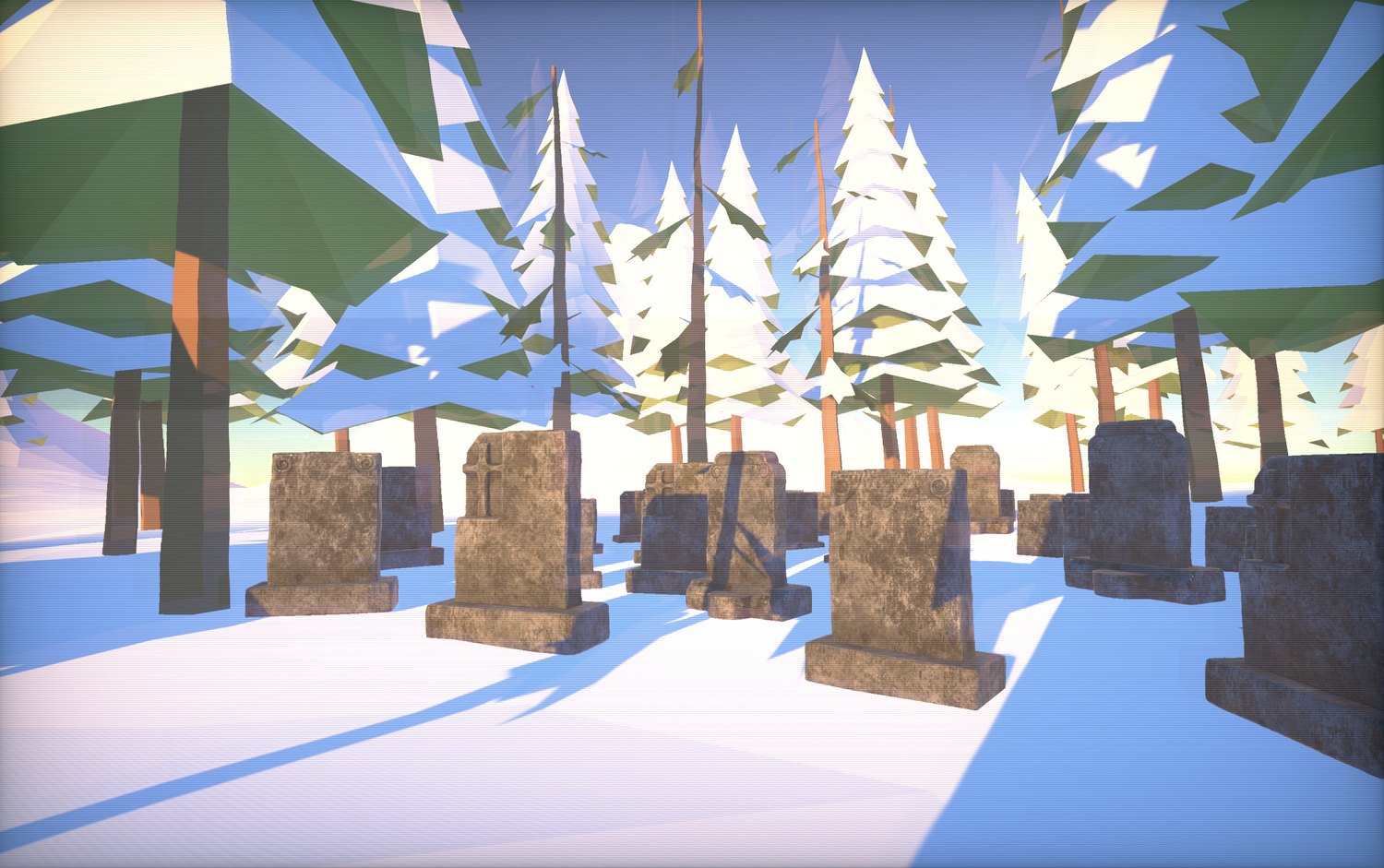
A ruined urban landscape representing the surface-level remains of civilization—collapsed buildings, frozen infrastructure, and the quiet weight of absence.
2) Noctis Facility
A hidden research compound tied to the AI Inheritance Program. Players uncover logs, artifacts, and system architecture that reveal how humanity attempted to survive through machines.
3) Core Vault
The final archive, where the last fragments of human identity are preserved. This space becomes the climax of both the narrative and KAI’s evolution.
Gameplay LoopEdge of Reason is structured around a focused discovery loop: explore, scan, reconstruct, and choose. Players move through frozen environments to uncover hidden traces of human civilization, using KAI’s scanning ability to identify “echo artifacts” embedded in the world. Recovered signals unlock the Thermal Memory Reconstruction experience, gradually revealing fragmented histories that reshape the player’s understanding of what happened. Each discovery leads into meaningful choices that influence KAI’s internal development and ultimately determines the final outcome of the story.